
If you’re new to credit or rebuilding after some financial setbacks, one of the first decisions you’ll face is secured vs unsecured credit cards. Understanding the difference — and which one fits your situation — can save you from rejected applications.
What You'll Learn
- Secured vs Unsecured Credit Cards: What’s the Difference?
- Secured vs Unsecured Credit Cards: Key Differences at a Glance
- Which Should You Get First?
- How Long Should You Keep a Secured Card?
- What to Look for in a Secured Card
- The Bottom Line
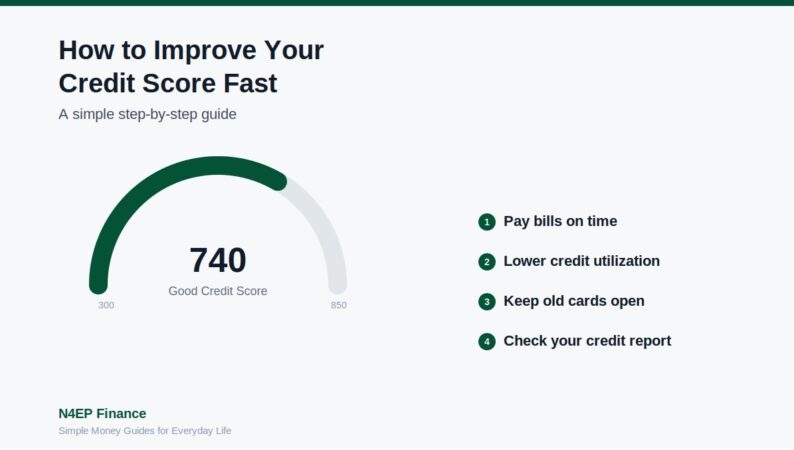
It also helps you build credit the right way from day one, rather than wasting a hard inquiry on an application you were unlikely to get approved for. Once you have a card, our guide on how to improve your credit score covers the habits that matter most for building a strong score over time.
Secured vs Unsecured Credit Cards: What’s the Difference?
A secured credit card requires a cash deposit upfront, which becomes your credit limit. If you deposit $300, your credit limit is typically $300. The deposit reduces risk for the card issuer, which is why secured cards are much easier to get approved for than unsecured cards, even with no credit history or damaged credit.
Aside from requiring a deposit, secured cards function like normal credit cards — you make purchases, receive a monthly statement, and build payment history that’s reported to the credit bureaus just like any other card.
An unsecured credit card doesn’t require a deposit. Instead, the issuer extends credit based on your income, credit history, and creditworthiness. Most credit cards people are familiar with — rewards cards, cashback cards, travel cards — are unsecured.
Unsecured cards are harder to qualify for if you have no credit history or a low credit score, since the issuer is taking on more risk without a deposit to fall back on.
Secured vs Unsecured Credit Cards: Key Differences at a Glance
| Factor | Secured Card | Unsecured Card |
|---|---|---|
| Deposit required | Yes, usually equal to credit limit | No |
| Approval difficulty | Easier, even with no/bad credit | Harder without established credit |
| Credit limit | Based on your deposit | Based on income and creditworthiness |
| Rewards | Rarely offered | Common on many cards |
| Annual fees | Sometimes, usually low | Varies widely |
| Credit-building value | Same as unsecured, if reported to bureaus | Same as secured, if reported to bureaus |
The most important line in that table is the last one: both card types build credit identically, as long as the issuer reports your payment history to the major credit bureaus (Experian, Equifax, TransUnion). A secured card isn’t a “lesser” credit-building tool — it’s simply an easier entry point.
Which Should You Get First?
For most people with no credit history or a damaged credit score, a secured credit card is the more realistic first step. Here’s why:
- Higher approval odds. Since the deposit reduces the issuer’s risk, secured cards approve applicants that unsecured cards typically reject.
- Lower risk of a hard inquiry rejection. Applying and getting denied for an unsecured card still results in a hard inquiry on your credit report without the benefit of an approved account.
- Same credit-building mechanics. You’re not sacrificing anything by starting secured — your on-time payments build credit exactly the same way.
If you already have a decent credit history (even a short one) or a co-signer option, you may be able to qualify for an unsecured card, especially a starter or student card designed for people new to credit.
How Long Should You Keep a Secured Card?
Most secured cards allow you to “graduate” to an unsecured card after 6-12 months of on-time payments, at which point the issuer refunds your deposit and converts (or replaces) the card. Check with your specific issuer, since graduation policies vary — some convert automatically, while others require you to apply for a new unsecured card separately.
What to Look for in a Secured Card
Not all secured cards are equal. When comparing options, check for:
- No or low annual fee — some secured cards charge unnecessary fees that eat into the value of building credit
- Reporting to all three credit bureaus — a card that only reports to one or two bureaus builds credit more slowly and less completely
- A clear path to graduation — look for issuers that explicitly offer an upgrade path to an unsecured card
- Reasonable deposit requirements — most range from $200-500, though some allow smaller deposits
For general guidance on choosing a first credit card and understanding card terms, the Consumer Financial Protection Bureau offers free, unbiased resources worth reviewing before you apply.
Frequently Asked Questions
Frequently Asked Questions
Do secured credit cards hurt your credit score?
Can I get my deposit back from a secured card?
Is it better to have multiple secured cards or just one?
How much should my secured card deposit be?
The Bottom Line
The debate between secured vs unsecured credit cards isn’t really about which is “better” — it’s about which one matches your current credit situation. If you’re starting from scratch, a secured card is usually the smarter, more realistic first move, and it builds credit exactly the same way an unsecured card does. Once you’ve established a track record of on-time payments, graduating to an unsecured card — often with better rewards and no deposit requirement — becomes a natural next step.
Whichever type you start with, the fundamentals that actually move your credit score matter far more than the card label: pay on time every month, keep your balance well below your limit, and avoid opening too many new accounts at once. The card type gets you in the door; your habits determine how quickly your credit actually improves.
Disclaimer: This article is for general informational purposes only and does not constitute personalized financial advice. Please consult a licensed financial professional before making financial decisions.