An emergency fund is one of the most important building blocks of financial stability, yet it’s also one of the most commonly skipped steps. Without this kind of safety net, a single car repair, medical bill, or job loss can quickly turn into high-interest credit card debt. This guide covers how much to save and how to build your cushion, even on a tight budget.
What You'll Learn
- What Is an Emergency Fund?
- How Much Should You Actually Save?
- Where Should You Keep This Money?
- How to Build an Emergency Fund When Money Is Tight
- Should You Save or Pay Off Debt First?
- The Bottom Line
What Is an Emergency Fund?
This is money set aside specifically for unexpected expenses — not vacations, not holiday gifts, and not planned purchases. It’s meant to cover things like:
- Job loss or reduced income
- Medical or dental emergencies
- Urgent car or home repairs
- Unexpected travel for a family emergency
The key word is unexpected. If you can predict and plan for an expense, it belongs in your regular budget, not your rainy-day savings.
How Much Should You Actually Save?
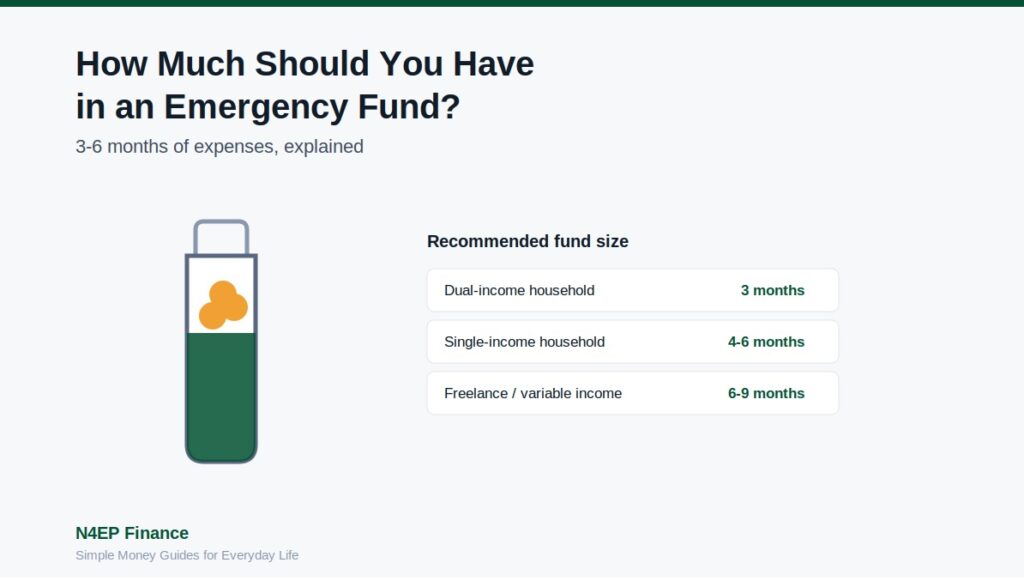
The most common recommendation is to keep three to six months of essential expenses set aside. But the right target depends on your personal situation:
| Situation | Recommended Amount |
|---|---|
| Stable job, dual income household | 3 months of expenses |
| Single income household | 4-6 months of expenses |
| Freelancer or variable income | 6-9 months of expenses |
| High job security (e.g. government) | 3 months of expenses |
To calculate your target, add up your essential monthly expenses — rent, utilities, groceries, insurance, minimum debt payments — and multiply by your target number of months.
Example: If your essential expenses total $2,500/month and you want a 4-month cushion, your target is $10,000.
Where Should You Keep This Money?
Your safety net needs to be accessible but not so accessible that you’re tempted to spend it. The best options are usually:
- High-yield savings accounts — Earn more interest than a traditional savings account while still allowing quick access. The FDIC provides a searchable tool to confirm any bank you choose is federally insured.
- Money market accounts — Similar to high-yield savings, often with check-writing privileges.
Avoid keeping these savings in the stock market or other investments — the goal is stability and quick access, not growth.
How to Build an Emergency Fund When Money Is Tight
Building an emergency fund large enough to cover three to six months of expenses can feel impossible when you’re living paycheck to paycheck. Start smaller:
- Set a mini-goal first — Aim for $500 to $1,000 as an initial cushion before targeting the full amount.
- Automate small transfers — Even $25-$50 per paycheck adds up over time.
- Use windfalls wisely — Tax refunds, bonuses, and cash gifts are great ways to jump-start your emergency fund without affecting your regular budget.
- Cut back temporarily — Pause non-essential subscriptions or dining out for a few months while you build your initial cushion.
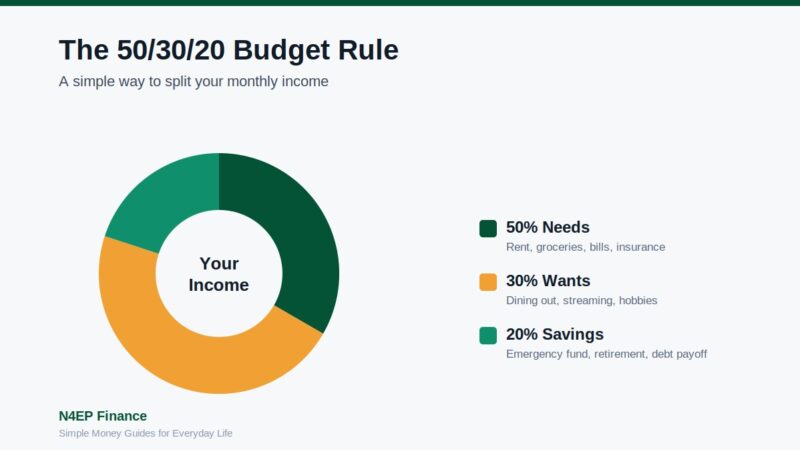
If you’re also working on your monthly budget, pairing this with a plan like the 50/30/20 budget rule makes it easier to consistently set aside money for savings without feeling overwhelmed.
Should You Save or Pay Off Debt First?
This is one of the most common money questions, and the general guidance is:
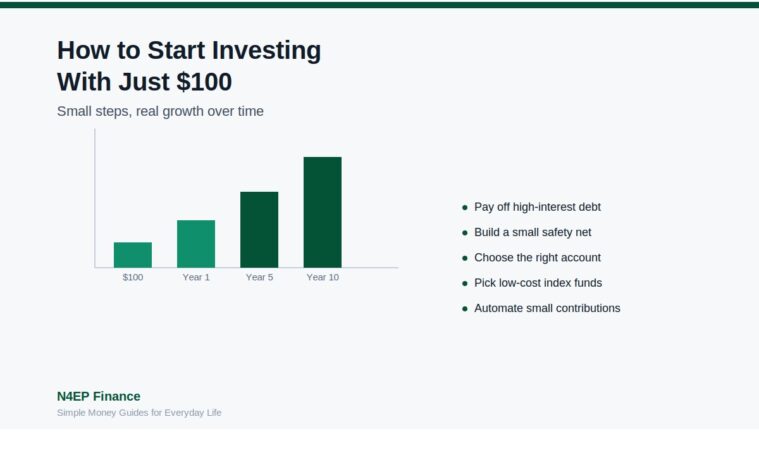
- Build a small starter cushion ($500-$1,000) first, even before aggressively paying off debt.
- Once that exists, focus on paying off high-interest debt (like credit cards).
- After high-interest debt is cleared, build your full 3-6 month reserve.
This order prevents you from going right back into debt the next time an unexpected expense comes up.
The Bottom Line
There’s no universal “correct” emergency fund number — it depends on your job stability, household income, and comfort level. What matters most is starting somewhere, even if it’s just $20 a week, and building consistently. A solid emergency fund won’t prevent unexpected expenses from happening, but it will prevent them from derailing your entire financial plan.
Disclaimer: This article is for general informational purposes only and does not constitute personalized financial advice. Please consult a licensed financial professional before making financial decisions.