
A sudden pay cut or job loss can feel overwhelming, but panicking rarely helps your finances. Learning how to budget after a pay cut — quickly and deliberately — is the single most important step toward staying financially stable while you navigate the transition.
What You'll Learn
- Step 1: Reset Your Budget After a Pay Cut Immediately
- Step 2: Separate True Essentials From Everything Else
- Step 3: Contact Your Creditors Before You Miss a Payment
- Step 4: Prioritize Which Bills Get Paid First
- Step 5: Use Your Emergency Fund — That’s What It’s For
- Step 6: Look Into Unemployment Benefits and Other Support
Step 1: Reset Your Budget After a Pay Cut Immediately
Don’t wait until your next paycheck to react. As soon as you know your income has dropped, sit down and rebuild your budget around your new, lower income — not your old one.
Continuing to spend at your previous level “just for now” is one of the most common mistakes people make. It can turn a temporary setback into a much longer recovery, since every week spent at the old spending level eats further into savings you may need later.
Step 2: Separate True Essentials From Everything Else
Go through your entire budget and sort every expense into two categories:
- Essential: Housing, utilities, groceries, insurance, minimum debt payments, transportation needed for work
- Non-essential: Everything else — subscriptions, dining out, entertainment, discretionary shopping
During this period, non-essential spending should be paused or drastically reduced, even if it feels uncomfortable. This isn’t permanent — it’s a temporary adjustment to protect your financial stability while your income is reduced.
Step 3: Contact Your Creditors Before You Miss a Payment
If you’re worried about making a payment, reach out to your lenders, landlord, or utility providers before you miss it, not after. Many companies offer hardship programs, temporary payment reductions, or deferment options, but these are usually easier to access if you reach out proactively rather than after you’ve already fallen behind.
Step 4: Prioritize Which Bills Get Paid First
If your reduced income genuinely can’t cover everything, prioritize in this general order:
- Housing — rent or mortgage, to avoid eviction or foreclosure risk
- Utilities — especially essentials like electricity, water, and heat
- Food — groceries, not takeout
- Insurance — health and auto insurance, to avoid coverage gaps
- Minimum debt payments — to avoid default and long-term credit damage
- Everything else — pause or minimize until income stabilizes
Step 5: Use Your Emergency Fund — That’s What It’s For
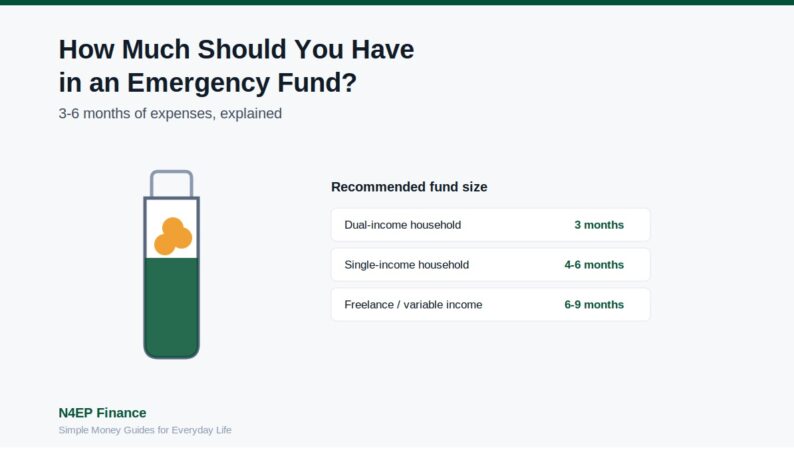
If you have an emergency fund, this is exactly the situation it was built for. Don’t feel guilty about using it; the entire point of an emergency fund is to smooth over exactly this kind of income disruption without going into debt. If you haven’t built one yet, our guide on how much to keep in an emergency fund is worth reading once your situation stabilizes, so you’re better prepared next time.
Step 6: Look Into Unemployment Benefits and Other Support
If you’ve lost your job, apply for unemployment benefits as soon as you’re eligible — the process can take time, so don’t delay. Depending on your situation, you may also qualify for:
- COBRA or marketplace health insurance if you lost employer coverage
- SNAP (food assistance) if your household income qualifies
- Utility assistance programs, many of which are run at the state or local level
- Mortgage or rent forbearance programs, particularly through your loan servicer
The U.S. Department of Labor maintains state-by-state unemployment insurance information if you’re unsure where to start.
Step 7: Generate Short-Term Income If Possible
While searching for new work or waiting for income to stabilize, consider short-term ways to bridge the gap — freelance work, gig platforms, selling unused items, or temporary part-time work. Even modest supplemental income can meaningfully extend how long your savings last.
Step 8: Rebuild Gradually Once Income Stabilizes
Once your income returns to normal or you find new work, resist the urge to immediately resume your old spending habits. Instead:
- Rebuild your emergency fund first, especially if you drew it down during the gap
- Gradually reintroduce non-essential spending rather than all at once
- Review what you learned about your true “bare minimum” budget — many people find they can permanently reduce future spending in categories they thought were essential
How to Stay Mentally Grounded While You Budget After a Pay Cut
Financial stress during a pay cut or job loss is real, and it’s worth acknowledging that this isn’t just a math problem. Having a clear, written plan — even an imperfect one — tends to reduce anxiety more than avoiding the numbers altogether. Focus on what you can control this week and this month, rather than trying to solve the entire situation at once.
Frequently Asked Questions
Frequently Asked Questions
Should I use credit cards to cover the gap during a pay cut?
How long should I wait before cutting non-essential expenses?
What if my pay cut is only temporary?
Is it worth negotiating bills even for small amounts?
The Bottom Line
A pay cut or job loss is stressful, but a clear, immediate budget reset — built around your new income rather than your old one — gives you the best chance of navigating it without long-term financial damage. Prioritize essentials, reach out to creditors proactively, lean on your emergency fund and available assistance programs, and rebuild gradually once things stabilize.
Most people who go through a significant income disruption come out the other side with a much clearer sense of what they can actually live without — and that awareness, once the crisis passes, often becomes one of the most valuable financial lessons they carry forward into future budgeting decisions.
Disclaimer: This article is for general informational purposes only and does not constitute personalized financial advice. Please consult a licensed financial professional before making financial decisions.