
If you’ve spent any time on budgeting content online, you’ve probably seen colorful binders full of cash organized into labeled pockets — that’s cash stuffing, a social-media-driven revival of the classic envelope budgeting method.
What You'll Learn
- What Is Cash Stuffing?
- Why the Trend Went Viral
- How to Try It: Step by Step
- Is It Actually Effective, or Just a Trend?
- Downsides to Consider
- How to Make It Fit a Modern Budget
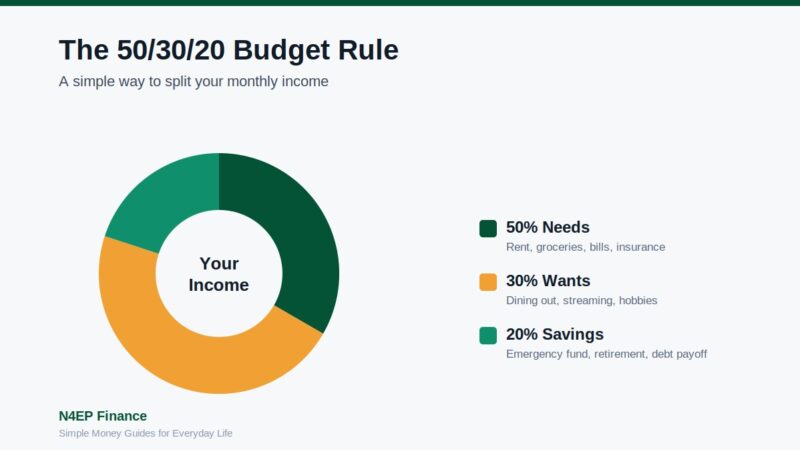
Behind the aesthetic appeal, there’s a genuinely useful budgeting principle worth understanding. If you’re new to structured budgeting altogether, our guide to the 50/30/20 budget rule is a good starting point before layering in a cash-based system like this one.
What Is Cash Stuffing?
This method is essentially the envelope budgeting method with a modern, visually satisfying presentation. Instead of plain white envelopes, people use decorative budget binders with labeled cash pockets for each spending category — groceries, gas, entertainment, savings goals — then physically “stuff” each pocket with the planned amount at the start of the month or pay period.
The core mechanic is identical to traditional envelope budgeting: once a category’s cash is spent, that spending stops until the next refill.
Why the Trend Went Viral
Part of the appeal is genuinely psychological, not just aesthetic. Content creators post satisfying videos of counting and organizing cash into labeled pockets, which taps into similar appeal as other satisfying, visually organized content.
But underneath the trend, this system works for the same reason envelope budgeting has worked for decades — physical cash creates real spending limits that a credit card doesn’t.
How to Try It: Step by Step
Step 1: Choose Your Categories
Pick your variable spending categories — the ones most prone to overspending. Common categories include groceries, dining out, entertainment, personal spending, and specific savings goals.
Step 2: Get a Cash Binder or Envelope System
You don’t need an elaborate decorated binder to get the core benefit — a simple set of labeled envelopes works just as well functionally. If a visual, organized system helps you stay motivated, the decorative binders sold specifically for this purpose can be worth the investment.
Step 3: Withdraw and Divide Your Cash
At the start of your budgeting period, withdraw your total planned cash spending and divide it across your labeled pockets according to your budget.
Step 4: Spend Only From the Matching Pocket
Just like the envelope method, you pay for groceries only from the groceries pocket, entertainment only from the entertainment pocket, and so on.
Step 5: Track Your Progress
Many people using this method also track savings goals visually — a fill-in progress tracker for a vacation fund or emergency fund, which adds a motivating, game-like element to saving.
Is It Actually Effective, or Just a Trend?
The underlying mechanism — spending physical cash instead of swiping a card — is backed by real behavioral research.
Multiple consumer research studies, including work published through the Federal Reserve’s consumer payment surveys, have found that people spend less, and feel more of a “loss” sensation, when paying with cash compared to cards, because handing over a physical bill is more tangible than an abstract card swipe.
So while the decorative binders and viral videos are certainly a trend, the core budgeting mechanic underneath this approach is a legitimate, research-backed strategy — not just a passing social media fad.
Downsides to Consider
- Carrying cash isn’t always practical or safe, especially for larger amounts or in certain situations
- Doesn’t work for online purchases or subscriptions, which are unavoidable for most modern households
- No rewards or cashback that you’d get from using a rewards credit card responsibly
- Requires discipline to actually withdraw and divide cash consistently each period
How to Make It Fit a Modern Budget
Very few households can go 100% cash-based anymore, since rent, utilities, and most online shopping simply require electronic payment. A more realistic approach is a hybrid system: use physical cash pockets specifically for the categories where you’re most prone to overspending — dining out, entertainment, discretionary shopping — while paying fixed bills and larger recurring expenses electronically as usual.
This targeted approach captures most of the psychological benefit (real spending limits where you need them most) without requiring you to withdraw your entire monthly budget in cash, which isn’t practical for most people in 2026.
Digital Alternatives to Cash Stuffing
If carrying physical cash doesn’t fit your lifestyle, several banking apps now offer digital “envelope” or “bucket” features that replicate the same category-based spending limits electronically, without requiring physical bills.
Frequently Asked Questions
Frequently Asked Questions
Do I need a special binder to try cash stuffing?
Is cash stuffing safe if I’m carrying a lot of cash?
Can cash stuffing work alongside a credit card I use for rewards?
Is cash stuffing better than a budgeting app?
The Bottom Line
This approach is a visually appealing rebrand of a genuinely effective budgeting method. If you’ve struggled with overspending using cards or apps, the tangible discipline of physical cash — organized in a system you actually enjoy using — can be a legitimate and motivating way to finally stick to a budget.
The trend’s popularity might fade eventually, the way most social media trends do, but the underlying principle — that physical cash creates a spending limit a card simply can’t replicate — has held up in behavioral research for decades and will remain useful long after the viral videos move on to the next aesthetic.
Disclaimer: This article is for general informational purposes only and does not constitute personalized financial advice. Please consult a licensed financial professional before making financial decisions.