
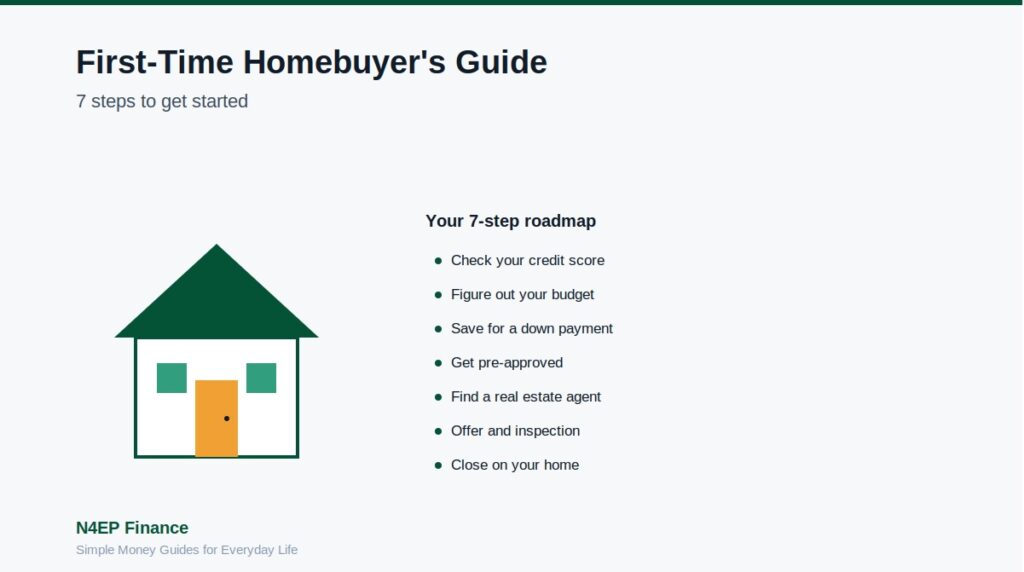
Buying your first home is exciting, but it can also feel overwhelming if you don’t know where to start. As a first-time homebuyer, you’re likely juggling questions about credit scores, down payments, and mortgage pre-approval all at once. This guide breaks the process into seven manageable steps.
What You'll Learn
- Step 1: Check Your Credit Score
- Step 2: Figure Out How Much You Can Afford
- Step 3: Save for a Down Payment
- Step 4: Get Pre-Approved for a Mortgage
- Step 5: Find a Real Estate Agent
- Step 6: Make an Offer and Get an Inspection
Step 1: Check Your Credit Score
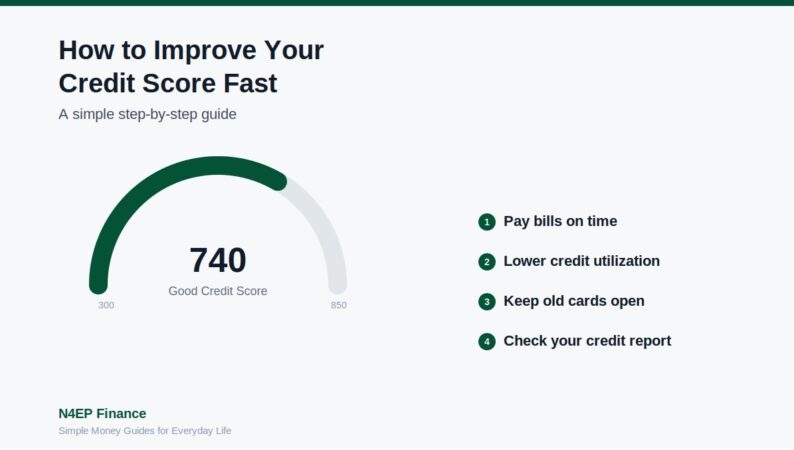
Before anything else, check your credit score. Most conventional loans require a score of at least 620, though FHA loans (popular with first-time homebuyers) can accept scores as low as 580 with a 3.5% down payment. If your score needs work, our guide on how to improve your credit score covers practical steps that can raise your score within a few months.
Step 2: Figure Out How Much You Can Afford
A common rule of thumb is to keep your total housing costs (mortgage, taxes, insurance) under 28% of your gross monthly income. Use an online mortgage calculator to estimate monthly payments at different price points before you start house hunting — this prevents falling in love with a home outside your budget.
Step 3: Save for a Down Payment
While 20% down avoids private mortgage insurance (PMI), many first-time homebuyer programs allow much less:
| Loan Type | Typical Minimum Down Payment |
|---|---|
| Conventional | 3-5% |
| FHA | 3.5% |
| VA (military) | 0% |
| USDA (rural areas) | 0% |
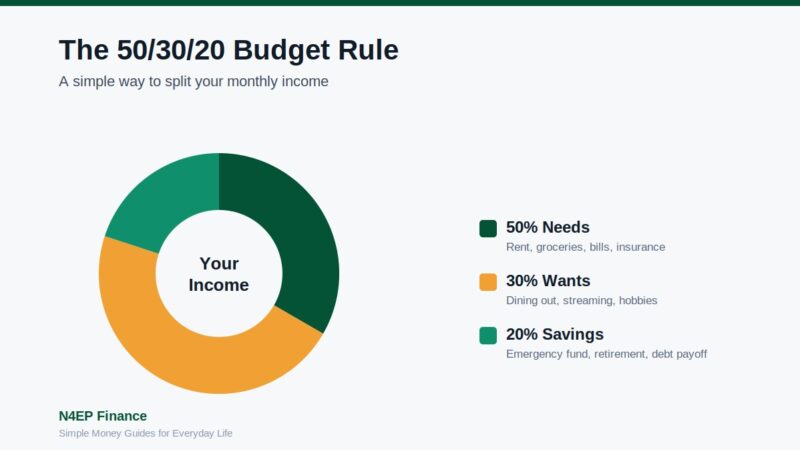
Pairing your savings plan with a system like the 50/30/20 budget rule can help you consistently set aside money for your down payment each month.
Step 4: Get Pre-Approved for a Mortgage
Pre-approval is different from pre-qualification — it involves a lender actually verifying your income, assets, and credit to tell you exactly how much you can borrow. Sellers take pre-approved buyers far more seriously, and it also helps you avoid shopping for homes above your real budget.
Step 5: Find a Real Estate Agent
A buyer’s agent typically doesn’t cost you anything directly (the seller usually covers the commission), and a good agent will help you navigate offers, inspections, and negotiations — all things that can be confusing the first time around.
Step 6: Make an Offer and Get an Inspection
Once you find a home you like, your agent will help you submit a competitive offer based on comparable local sales. After your offer is accepted, always get a professional home inspection. This step often gets skipped by nervous buyers eager to close quickly, but it can reveal costly issues before you’re locked into the purchase.
Step 7: Close on Your Home
Closing involves signing a stack of paperwork, paying closing costs (typically 2-5% of the loan amount), and finally receiving your keys. As a first-time homebuyer, it’s worth asking your lender for a full breakdown of closing costs early so there are no last-minute surprises.
First-Time Homebuyer Programs Worth Checking
Many states and the federal government offer assistance for first-time homebuyers, including down payment assistance grants and reduced mortgage insurance. The U.S. Department of Housing and Urban Development (HUD) maintains a directory of local homebuyer assistance programs that’s worth reviewing before you start shopping.
The Bottom Line
Buying your first home doesn’t have to feel like navigating a maze blindfolded. Breaking it into these seven steps — credit, budget, savings, pre-approval, agent, offer, and closing — turns an overwhelming process into a manageable checklist. Take it one step at a time, and don’t be afraid to ask your lender or agent questions along the way.
Disclaimer: This article is for general informational purposes only and does not constitute personalized financial advice. Please consult a licensed financial professional before making financial decisions.